For Patients

Everything you need to know before, during, and after your visit

Welcome, New Patients

We're glad you've taken this step towards better sleep and better health. Getting started is simple.

  1. Get a referral — Ask your GP, cardiologist, pulmonologist, or any specialist to refer you to the Polokwane Sleep Centre. Self-referrals are also welcome.
  2. Contact us — Call us on 015 291 3288 or email admin@polokwanesleepcentre.co.za to schedule your appointment.
  3. What to bring — Your referral letter, medical aid card, ID document, and any previous sleep-related test results.
  4. Your first visit — Our specialist will conduct a full consultation, review your history, and recommend the appropriate diagnostic study.
Book Your First Appointment
Patient consultation at Polokwane Sleep Centre

What to Expect

Many patients feel anxious about their first sleep study. We want to reassure you — it's a relaxed, comfortable experience.

🌙

Arrive in the Evening

You'll arrive at our lab in the early evening, typically between 7 and 9 pm. Bring comfortable pyjamas and your usual toiletries.

🔌

Sensors Are Attached

Our trained technician attaches small sensors to your scalp, face, chest, and legs using a water-based gel. The process is painless.

😴

Sleep Normally

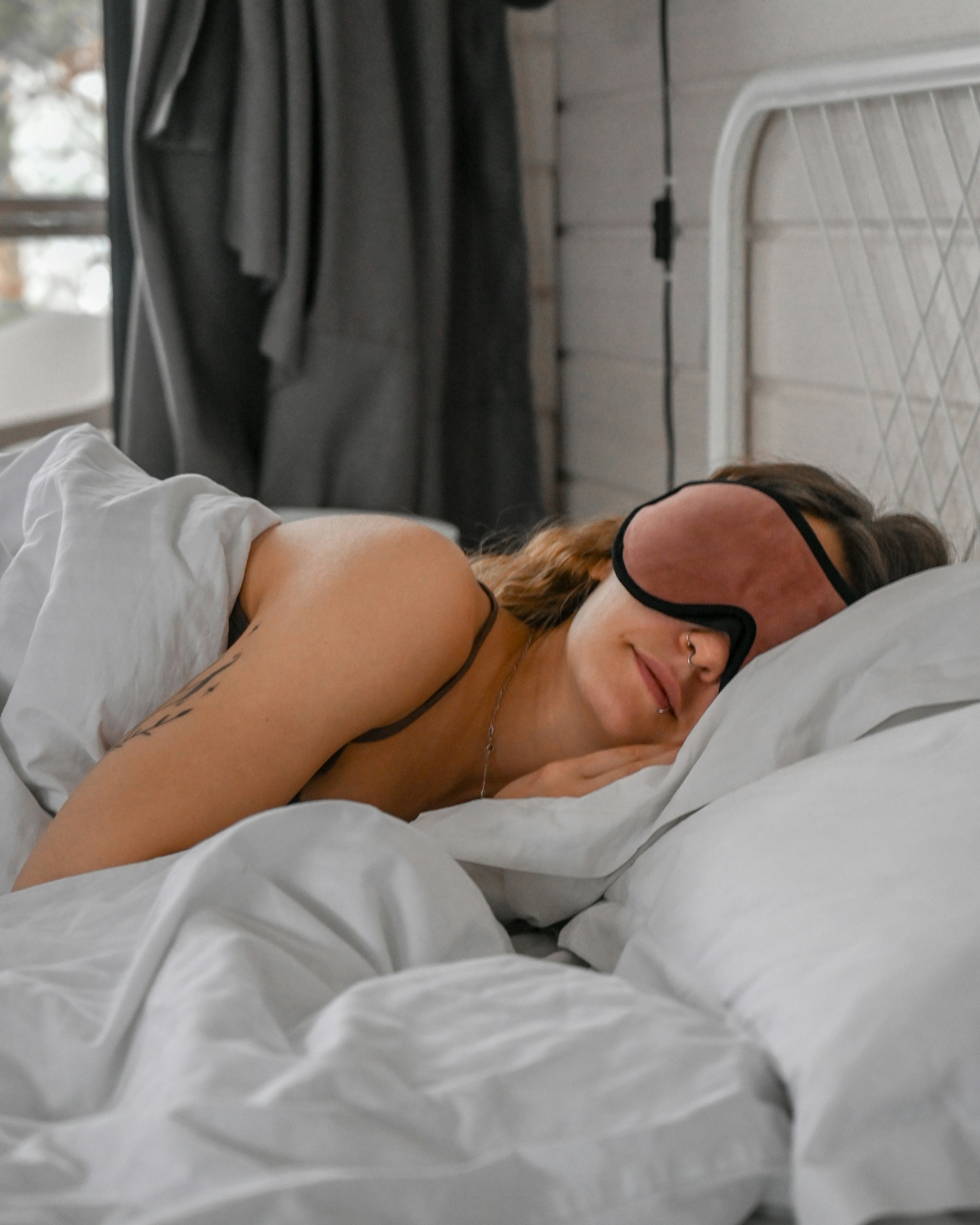
You sleep in a private, comfortable room while the sensors record your sleep data. Most patients fall asleep without difficulty.

☀️

Wake & Go

You'll be woken in the morning, sensors removed, and you're free to shower and head to work. Results are usually available within a week.

Tips for the Night

✅ Wash your hair the night before — no products on study day

✅ Avoid caffeine from midday onwards

✅ Follow your usual sleep schedule beforehand

✅ Bring any regular medications

✅ Avoid alcohol the night of the study

✅ Bring reading material or a relaxing activity for before bed

Transparent, Affordable Rates

We work with most major medical aids and offer competitive cash rates. Our team will verify your benefits before your study.

R900
Routine EEG
Medical aid rate
R2,020
12-Hour EEG
Medical aid rate
R3,880
24-Hour EEG
Medical aid rate
R3,880
Polysomnogram
Medical aid rate
R3,000
Polysomnogram
Cash / self-pay rate
R1,500*
GEMS Polysomnogram
*Not covered by GEMS directly

Prices quoted are current rates. Contact us to confirm your specific medical aid benefits and any potential co-payments.

Referring a Patient

We welcome referrals from GPs, cardiologists, pulmonologists, ENT specialists, neurologists and all other healthcare providers.

How to Refer

A referral letter on your practice letterhead is all that's required. Please include:

  • Patient's name, DOB and contact number
  • Referring diagnosis or clinical concern
  • Relevant medical history and current medications
  • Preferred contact method for results

Fax, email, or hand-deliver to us at 102A Burger Street, Polokwane. We aim to contact referred patients within 2 business days.

Common Referral Indications

  • Suspected obstructive sleep apnoea
  • Chronic, treatment-resistant insomnia
  • Excessive daytime somnolence
  • Restless legs / periodic limb movements
  • Seizure / epilepsy workup (EEG)
  • Unexplained nocturnal events

Frequently Asked Questions

While a referral is preferred and often required by medical aids for reimbursement, you are welcome to contact us directly and we will guide you through the process.
Most patients do sleep during their study. The sensors are lightweight and not uncomfortable once you've settled in. Our rooms are private, quiet, and temperature-controlled for your comfort.
Results are typically available within 5–7 business days. Your referring doctor or our specialist will discuss the results with you at a follow-up appointment.
Most major South African medical aids cover sleep studies, subject to pre-authorisation and plan benefits. We recommend calling your medical aid before your appointment, or asking our admin team to verify your benefits on your behalf.
Even minimal sleep during the study can provide useful diagnostic data. If you are truly unable to sleep, we will discuss options including repeat testing or alternative diagnostic methods.
Yes. Sleep disorders affect children too, including sleep apnoea, restless leg syndrome, and parasomnias. Our team is experienced in working with paediatric patients.